Heat Pumps and Smart Grids

Heat pumps and smart grids are two technologies that are gaining increasing attention in the effort to reduce greenhouse gas emissions and transition to a more sustainable energy system. Together, they have the potential to revolutionize the way we heat and cool our buildings while also enabling more efficient use of renewable energy.
Heat pumps are devices that transfer heat from one place to another, using electricity as the power source. They work by taking heat from the air, ground, or water and using it to heat buildings or provide hot water. Heat pumps can also be used to cool buildings by transferring heat from the inside to the outside. They are highly efficient and can provide up to four units of heat for every unit of electricity used, making them an attractive alternative to conventional heating systems.
Smart grids, on the other hand, are an advanced electricity delivery system that uses digital technology to manage the supply and demand of electricity in real-time. They enable more efficient use of renewable energy by balancing supply and demand, optimizing the use of energy storage, and providing incentives for consumers to use electricity during periods of low demand.
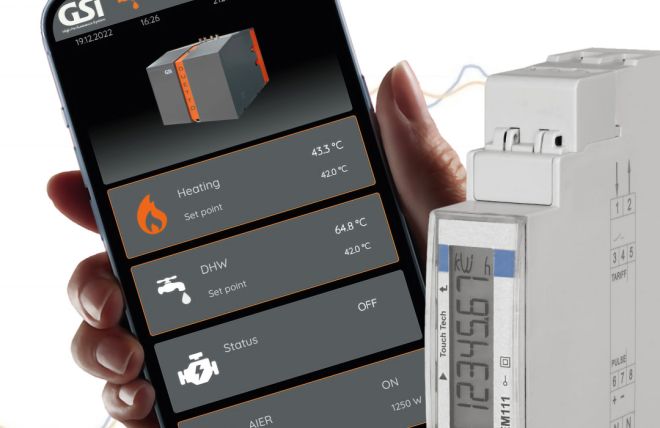
When heat pumps are combined with smart grids, they create a powerful synergy that can reduce greenhouse gas emissions and help to stabilize the electricity grid. Smart grids can be used to optimize the use of heat pumps by monitoring electricity demand and automatically adjusting the operation of the heat pumps to match the available supply of renewable energy.
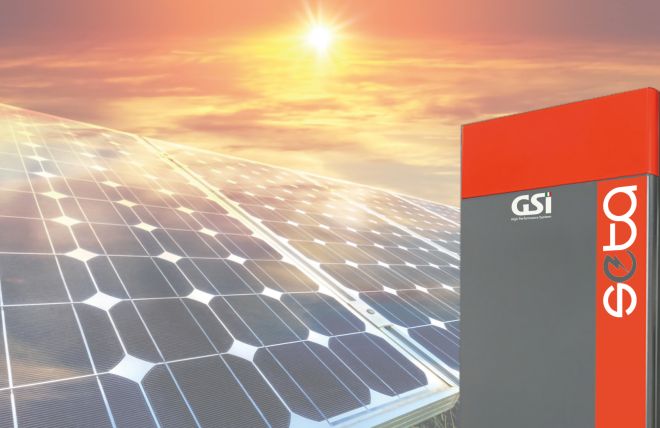
For example, when there is an excess of renewable energy available on the grid, such as on a sunny day with high solar power production, smart grids can automatically direct this excess energy to heat pumps in buildings. This can be done by turning on the heat pumps or increasing their output, so they use more electricity and reduce the demand for fossil fuel-based heating systems. This ensures that the excess renewable energy is used efficiently and does not go to waste.
Conversely, when there is a shortage of renewable energy available on the grid, such as on a cloudy day with low solar power production, smart grids can automatically reduce the operation of heat pumps. This can be done by decreasing their output or turning them off entirely, so they use less electricity and reduce the strain on the grid. This ensures that the available renewable energy is used efficiently and does not cause an imbalance in the electricity system.
Heat pumps and smart grids can also help to reduce energy bills for consumers. Smart grids can provide incentives for consumers to use electricity during periods of low demand when energy prices are lower, such as at night or on weekends. Heat pumps can be programmed to operate during these periods, providing heating or cooling at a lower cost.
In conclusion, heat pumps and smart grids are two technologies that have the potential to transform the way we heat and cool our buildings and use electricity. By combining the efficiency of heat pumps with the optimization of smart grids, we can create a more sustainable and efficient energy system. The combination of these two technologies can also provide benefits for consumers, reducing energy bills and providing incentives for more sustainable energy use.